Mental health is one of the most sensitive and often overlooked aspects of refugee protection and inclusion. For many people who have experienced war, persecution, displacement, loss and prolonged periods of uncertainty, access to appropriate mental health support is essential. At the same time, mental health remains a difficult and sometimes taboo subject in many refugee and migrant communities. Language barriers, cultural misunderstandings, lack of trust, limited information and gaps in the health system often prevent people from receiving the care they need.
The Greek Forum of Refugees identified this gap through its daily work with refugee communities in Athens and across Greece. As a refugee-led organisation, GFR has long acted as a bridge between refugee communities, civil society organisations, public services and institutions. This role made clear that better access to mental health care requires more than interpretation. It requires trust, cultural understanding, respectful communication and the active involvement of refugee communities themselves.
For this reason, GFR initiated and implemented the project “For a Respectful and Effective Approach to the Refugee Mental Health Issues through Mediation,” also known through its dedicated communication channel as ERMES. The project was funded through the Open Society Institute Mental Health Initiative and implemented during 2018-2019.
Why the project was needed
Through its work with refugee communities and service providers, GFR observed that many refugees faced serious barriers when trying to access mental health support. These barriers included a lack of information, stigma around mental health, fear or mistrust of services, limited cultural understanding by professionals, and the absence of trained cultural mediators in mental health care settings.
GFR also witnessed how misunderstandings between professionals and refugee patients could affect the quality of care. In some cases, people did not recognise that they needed support. In others, they avoided treatment because of shame, fear or previous negative experiences. At the same time, mental health professionals often lacked the tools and cultural knowledge needed to communicate effectively with people from different backgrounds.
The project was designed to respond to these challenges by strengthening the role of cultural mediation in mental health care and by building a common space of cooperation between refugee communities, professionals, civil society organisations and public institutions.
What the project aimed to achieve
The main goal of the project was to involve qualified cultural mediators in mental health care procedures in order to improve refugees’ access to services and support professionals in their work with refugee patients.
More specifically, the project aimed to:
- map existing practices, services, needs and gaps in Greece related to refugee mental health care and mediation;
- identify European good practices in the field of mental health mediation;
- bring together refugee community representatives, mental health practitioners, CSOs, researchers and trainers;
- develop a culturally appropriate methodology for mental health mediation;
- create practical tools for professionals, mediators and refugee communities;
- train cultural mediators to support access to mental health services;
- raise awareness among refugee communities about mental health, care options and the importance of seeking support when needed;
- promote dialogue with authorities and institutions on the long-term role of trained mediators in the Greek health system.
Research, mapping and community knowledge
A central part of ERMES was its research and mapping component. The project examined practices, needs and gaps in Greece, existing services, the needs of refugees and professionals, and good practices in mental health care mediation from other European contexts.
This research was not treated as a purely technical exercise. Refugee communities were involved in identifying needs, obstacles and cultural factors affecting access to care. This helped ensure that the project was grounded in lived experience and community knowledge, while also drawing on professional and institutional expertise.
A multidisciplinary Scientific Committee
The project brought together a multidisciplinary Scientific Committee composed of people with different but complementary expertise. This included mental health professionals, CSO experts, refugee community representatives, researchers, trainers and other relevant stakeholders.
The Scientific Committee worked on the development of a methodology and practical tools for mental health mediation. Its work focused on how to improve communication between professionals and refugee patients, how to address mental health in culturally appropriate and non-stigmatising ways, and how to prepare mediators to support both sides of the care relationship.
Training cultural mediators
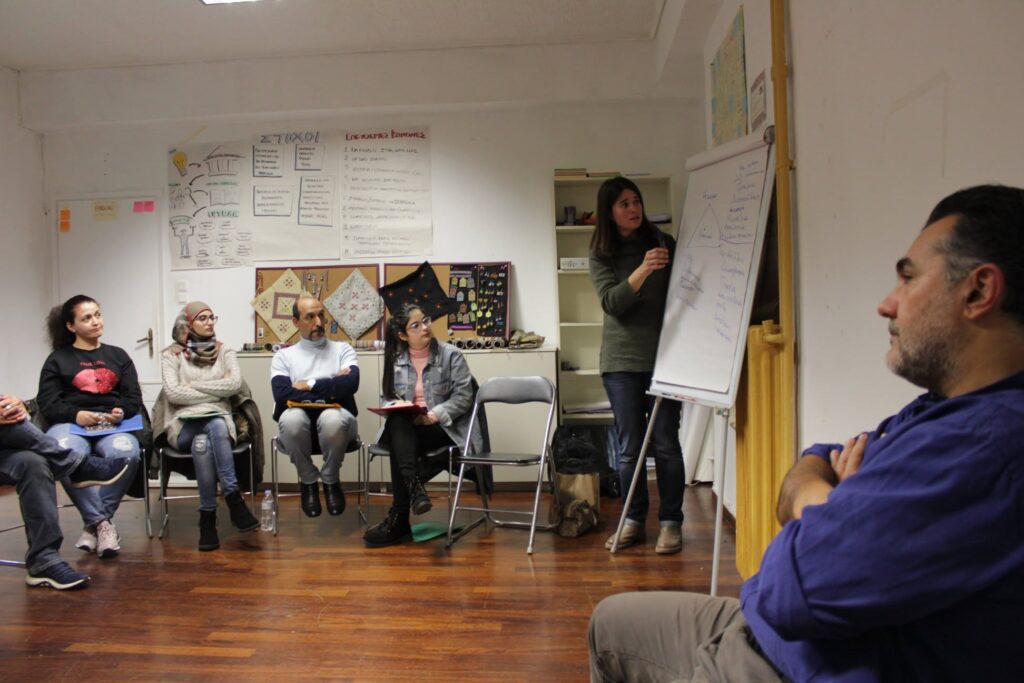
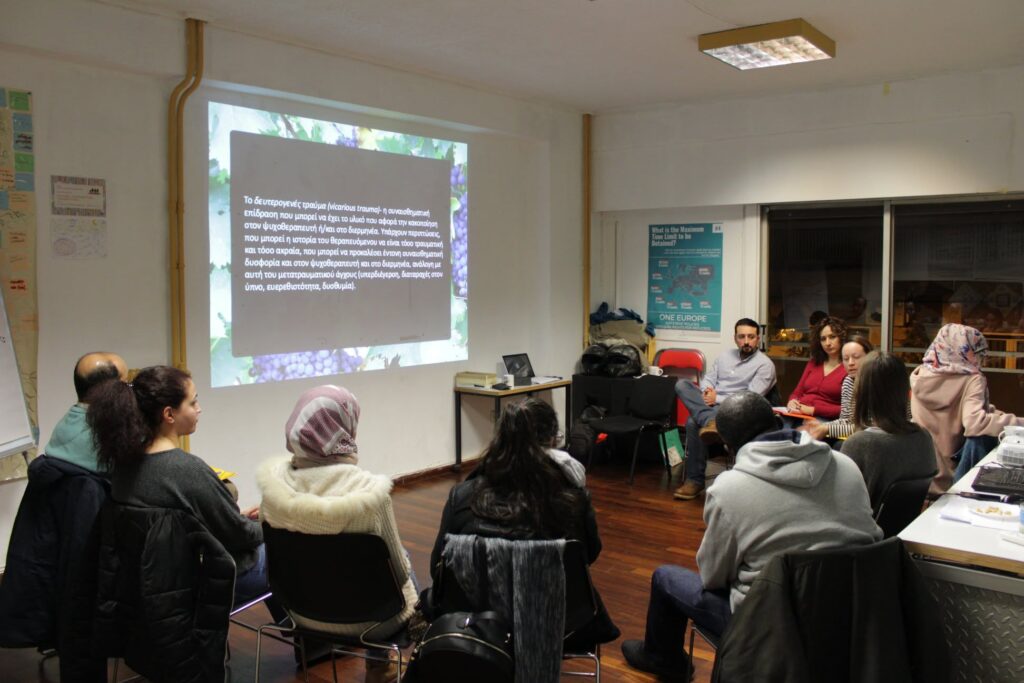
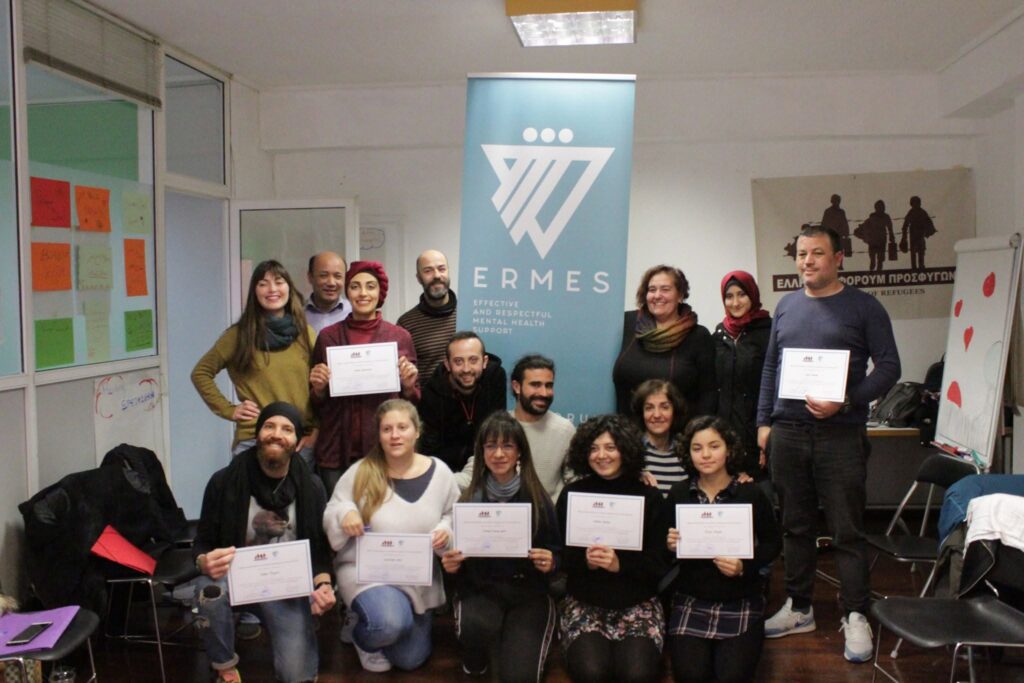
A key part of the project was the training of cultural mediators specialised in mental health care. The training addressed the role of culture in mental health, basic mental health terminology, interpretation and mediation skills, communication with professionals and patients, and the behaviour expected from mediators in sensitive mental health contexts.
The project included both theoretical and practical training in cooperation with mental health institutions and services. This practical element was important because it allowed mediators to apply their learning in real care settings and to better understand the needs of both refugees and professionals.
The project also included a train-the-trainer element, through which a group of trained mediators developed further skills to share knowledge with others and support future awareness-raising and mediation activities.
Tools, handouts and awareness raising
ERMES produced practical materials for three main groups: professionals, cultural mediators and refugee communities.
For mental health professionals and organisations, the project developed guidance and handout material on how to approach refugees with mental health needs in a respectful, culturally sensitive and effective way. These materials aimed to support professionals in understanding cultural differences, avoiding harmful misunderstandings, improving communication and building trust with refugee patients.
For cultural mediators, the project developed a Mental Health Mediation Toolkit and training materials. These tools supported mediators to understand the cultural dimension of mental health, basic psychological and mental health terminology, interpretation and mediation skills, and the appropriate behaviour needed when supporting refugees in mental health care settings.
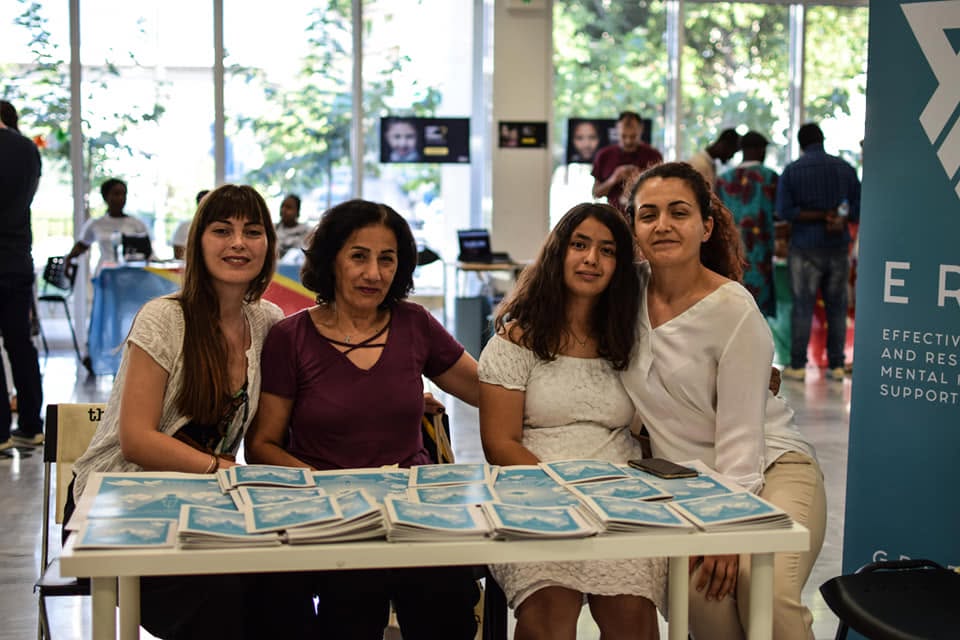
For refugee communities, the project developed guidance and awareness-raising materials on psychological and mental health issues in five common refugee languages: Farsi, Arabic, Urdu, French and English. These materials were designed in accessible and non-stigmatising language, helping people recognise distress, understand that seeking support is not a shameful process, and know where to ask for help.
The project also included community information meetings, online dissemination, hard-copy distribution through organisations and communities, and communication with professionals and institutions. In this way, ERMES worked on both sides of the care relationship: supporting professionals to better understand refugee patients, while also supporting refugees to better understand mental health care and available services.
Advocacy and sustainability
From the beginning, GFR saw ERMES not only as a short-term project but as part of a broader effort to improve access to mental health care in Greece. The long-term vision was that trained cultural mediators should become a regular and recognised part of mental health care procedures where refugees and migrants are concerned.
For this reason, the project also included contact-making and advocacy towards public authorities and institutions. GFR aimed to show that cultural mediation benefits not only refugees, but also professionals and public services, by improving communication, trust, continuity of care and the effectiveness of treatment.
Why this work remains important today
The needs identified through ERMES remain highly relevant. Refugees and asylum seekers in Greece continue to face serious barriers in accessing health and mental health services. Language, cultural differences, lack of information, stigma, poverty, homelessness and administrative obstacles still affect people’s ability to receive timely and appropriate support.
At the same time, the project remains an important example of GFR’s approach: community-led, participatory, rights-based and focused on building bridges between refugee communities and institutions.
Through ERMES, GFR strengthened its experience in community-based research, mental health access, cultural mediation, training, toolkit development, stakeholder cooperation and advocacy. This experience continues to inform GFR’s work on health, inclusion, participation and access to services.
For the Greek Forum of Refugees, mental health is not separate from integration, dignity or participation. It is part of a wider question: how can systems become more accessible, respectful and effective for people who have been forced to flee and rebuild their lives in a new society? ERMES was one of GFR’s important answers to this question.